Research / case study
Structural MRI and machine learning in PTSD (ZVR Lab)
ongoingMay 2026 – present
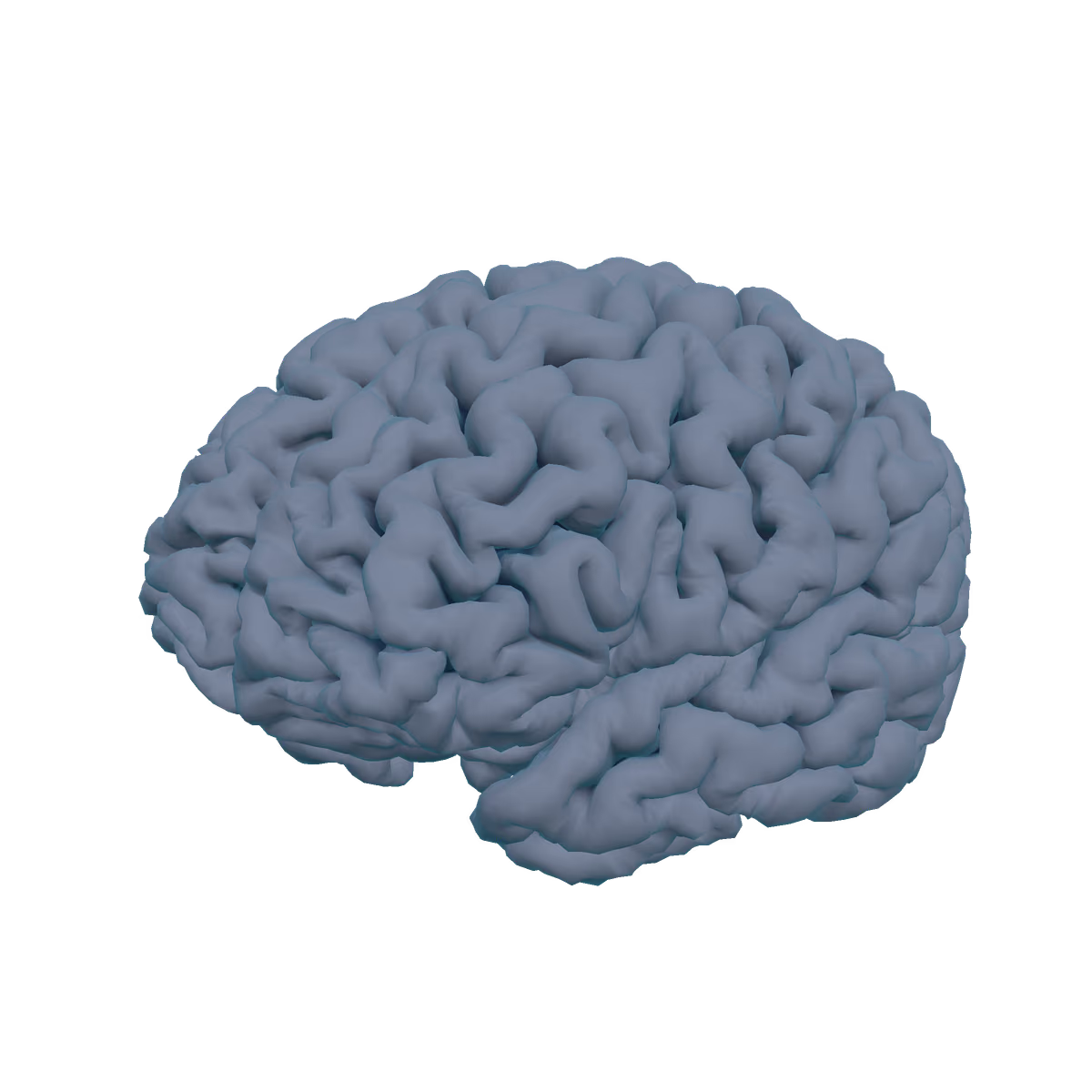
A FreeSurfer and Python pipeline for structural MRI from 101 participants, with covariate-adjusted group statistics and exploratory machine-learning classification.
- Question
- MRI-based biomarker research in PTSD: structural group comparisons and exploratory classification.
- My role
- MRI and Machine Learning Research Assistant, NEUROCITY Summer Scholars, University of Rochester (Del Monte Institute for Neuroscience). PI: Benjamin Suarez-Jimenez, Ph.D.
- Data
- Structural (T1) MRI from 101 participants, processed with FreeSurfer.
- Tools
- FreeSurfer, Python
- Manual subcortical quality control
- Covariate-adjusted ANCOVA, FDR correction, interaction analyses
- L2 logistic regression with nested, repeated, and leave-one-out cross-validation; permutation testing; covariate residualization
- Fisher's exact tests, logistic regression, Cramér's V
- neuroimaging
- structural-mri
- freesurfer
- statistics
- machine-learning
- python
What I did
- Built a structural MRI analysis pipeline for 101 participants using FreeSurfer and Python, including manual subcortical quality control, covariate-adjusted ANCOVA, FDR correction, and interaction analyses.
- Evaluated exploratory L2 logistic regression with nested, repeated, and leave-one-out cross-validation and permutation testing, and added covariate residualization to check for demographic confounds.
- Analyzed trauma characteristics and learning outcomes with Fisher’s exact tests, logistic regression, and Cramér’s V, and automated the results export in a reproducible notebook.
- Reviewed the PTSD neuroimaging machine-learning literature against ENIGMA-PGC findings and prepared a research poster.
Status
Ongoing. This page describes methods only; results will be shared once the lab clears them for public release.